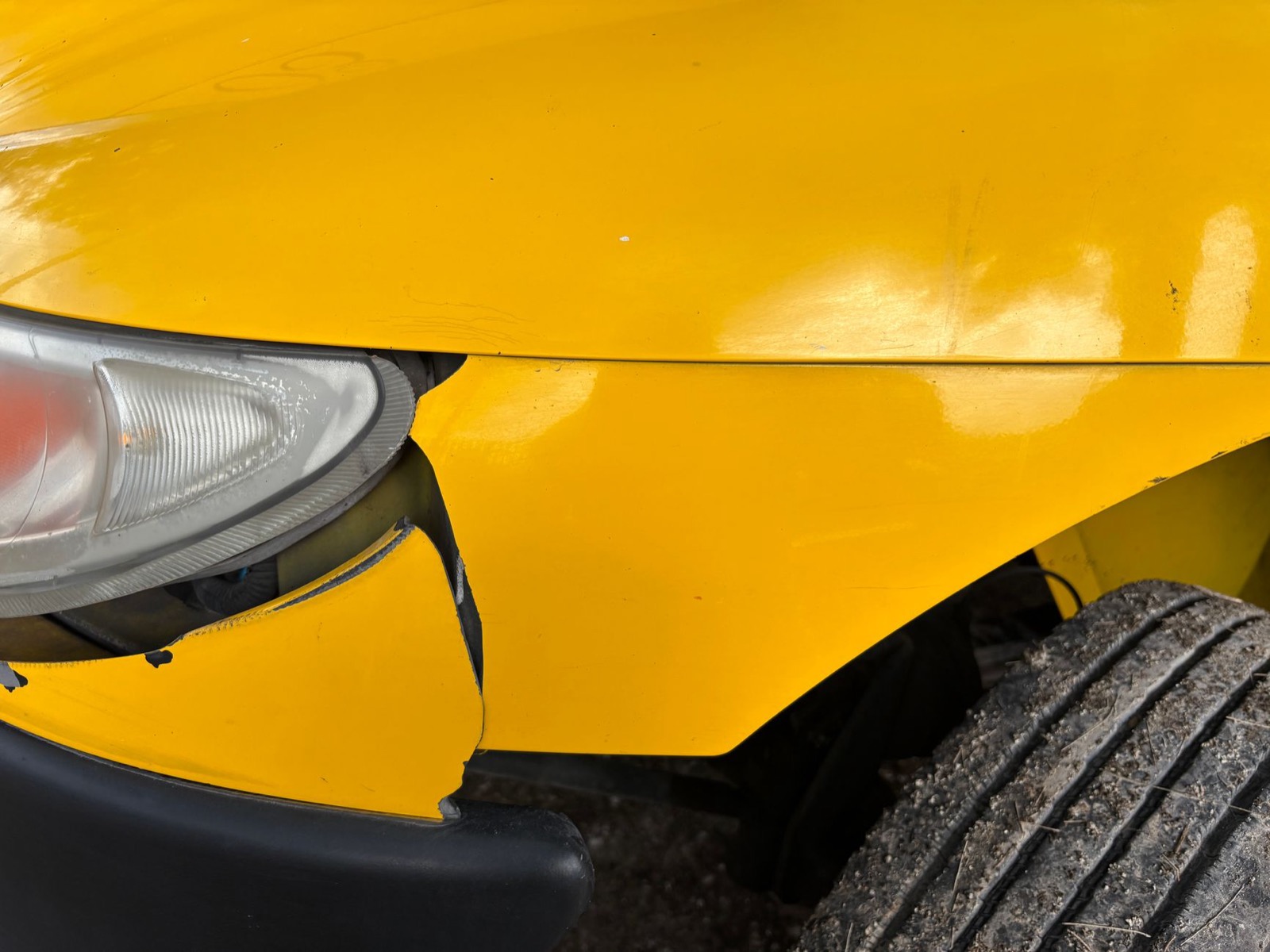
A car that has been in a serious accident can be repaired to look flawless — but structural damage often lingers, affecting safety, handling and resale value. On Kenya's used market, including many imports, accident repairs are common. Here's how to catch them before you pay.
1. Check panel gaps and alignment
Walk around the car and look at the gaps between the bonnet, doors, boot and wings. Factory gaps are even and consistent. Uneven or mismatched gaps suggest panels have been replaced or the body has been pulled back into shape after a crash.
2. Inspect the paint
In good light, look down the length of each panel. Watch for colour mismatches, orange-peel texture, overspray on rubber seals and trim, and masking lines. A paint depth gauge — which a professional inspector carries — reveals filler and repainted areas the eye can miss.
3. Look for weld marks and fresh bolts
Open the bonnet and boot and check the inner wings, slam panel and chassis rails for non-factory welds, wrinkled metal, or bolts that look recently disturbed. Factory spot welds are neat and uniform; repair welds are usually rougher.
4. Check the tyres and how it drives
Uneven tyre wear can point to bent suspension or a twisted frame from a heavy impact. On a test drive, notice if the car pulls to one side, the steering sits off-centre, or there are vibrations — all possible signs of accident-related damage.
5. Confirm with a professional inspection
Cosmetic repairs are designed to be hard to see. An independent pre-purchase inspection uses paint gauges, a lift, and trained eyes to distinguish a well-repaired minor knock from dangerous structural damage — so you know exactly what you're buying.
Don't let a repaired write-off become your problem. Book a car inspection anywhere in Kenya before you commit.