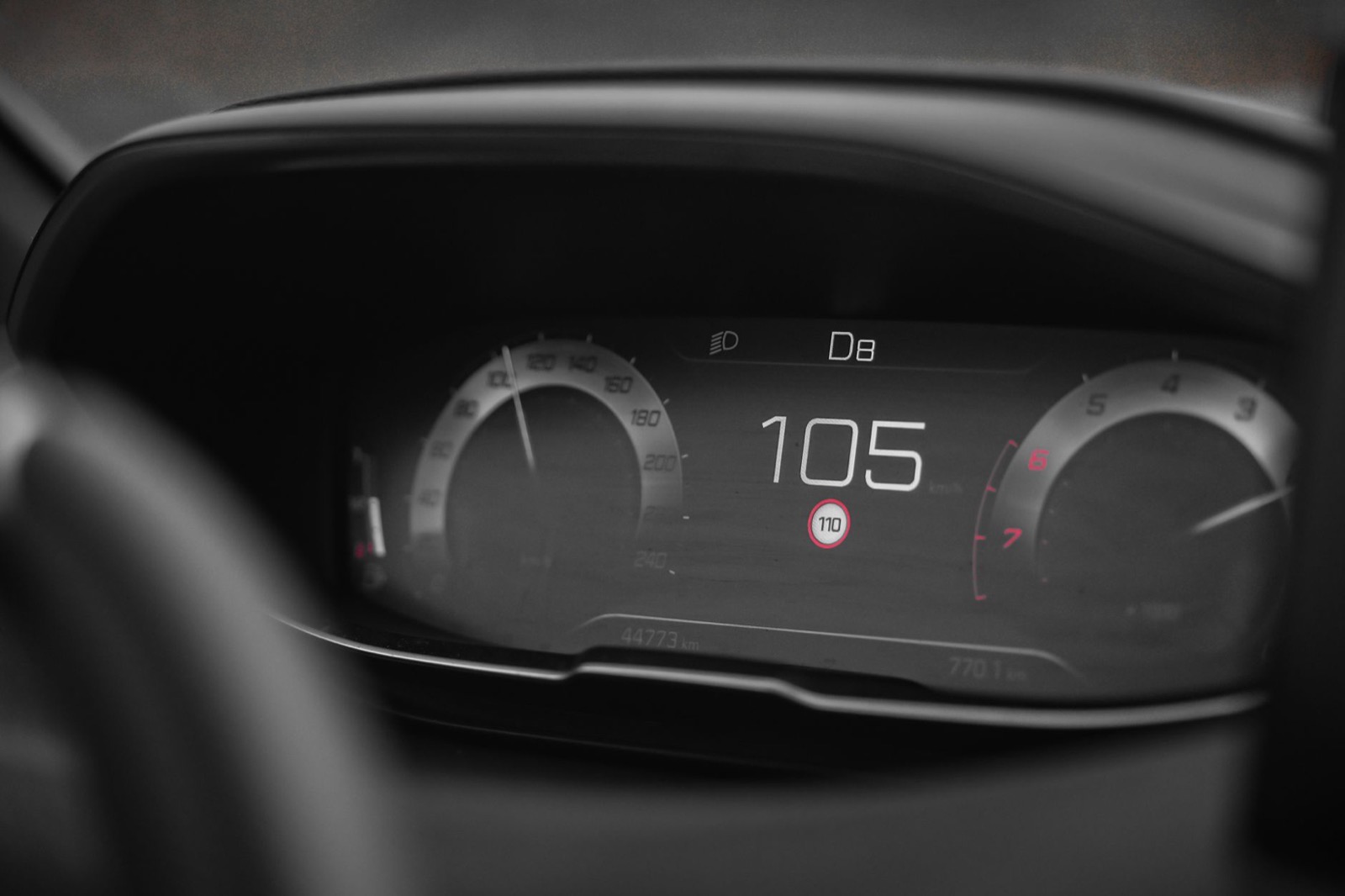
"Low mileage" sells cars — which is exactly why odometers get tampered with. A rolled-back reading can add hundreds of thousands of shillings to a car's price while hiding heavy wear. Here's how to tell whether the mileage you're looking at is real.
Why odometer fraud is so common
Digital odometers can be altered in minutes with cheap tools, and imported units sometimes arrive with readings that don't match their auction records. Because mileage strongly influences price, sellers have a big incentive to "adjust" it.
1. Match mileage to physical wear
The odometer might say 70,000 km, but the car can't hide how it feels. Check the steering wheel, gear knob, pedals and driver's seat — shiny, worn or sagging parts on a "low-mileage" car are a red flag. Worn-out these on a supposedly fresh car? Be suspicious.
2. Cross-check the paperwork
Compare the odometer against the service history, previous inspection stickers, and — for imports — the auction sheet or export certificate, which usually lists the original mileage. Any big jump downward is a warning.
3. Read the true mileage from the ECU
Modern cars store mileage in more than one place. During an OBD diagnostic scan, a professional can often read the true recorded mileage from the car's electronic modules, which is much harder to fake than the dashboard display.
4. Watch for inconsistent digits and fitment
On analogue clocks, misaligned numbers or fingerprints inside the cluster hint at tampering. On digital displays, warning lights or an odometer that shows dashes can indicate the cluster was manipulated.
The safest check
If genuine mileage matters to you — and it should — an independent pre-purchase inspection is the surest way to confirm it. We verify the reading against the ECU and the car's real condition, then flag any mismatch in your report.
Buying used? Book an inspection and know the real numbers before you pay. You can also read our full used-car inspection guide.