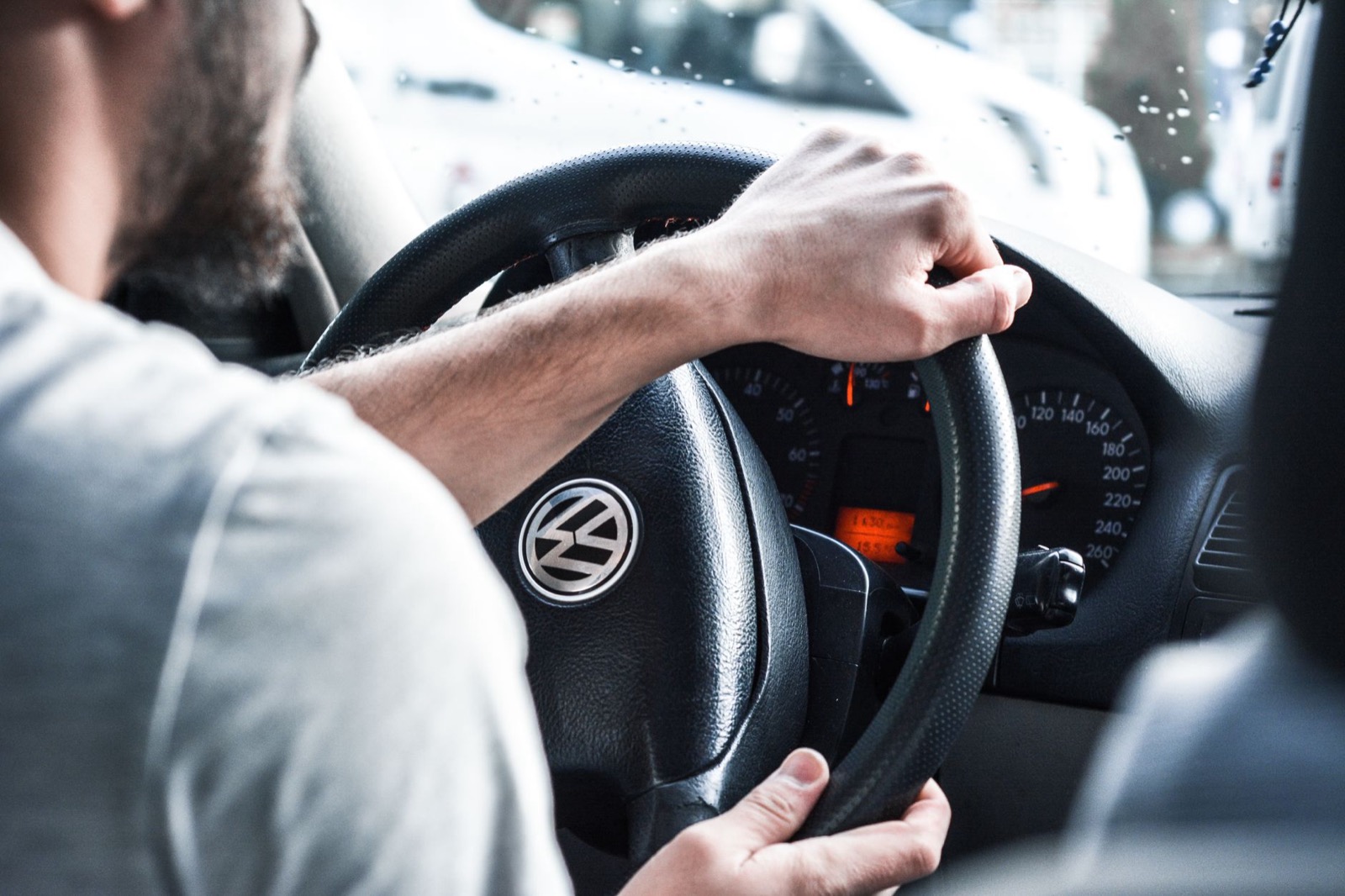
A test drive is your best free diagnostic tool — if you know what to pay attention to. Drive on both smooth and rough roads, with the radio off, and run through this checklist.
Before you move
- Cold start. Start the car when the engine is fully cold. Listen for knocking or excessive smoke, and watch how long any warning lights take to clear.
- Warning lights. Note any that stay on — especially engine, ABS, airbag or oil lights.
While driving
- Acceleration. The car should pull smoothly without hesitation, jerking or loss of power.
- Gear changes. Automatics should shift smoothly; manuals should engage cleanly without grinding or a slipping clutch.
- Steering. It should feel centred and responsive. Pulling to one side can mean alignment, suspension or accident damage.
- Brakes. Test firm braking. Watch for vibration, pulling, squealing or a soft/spongy pedal.
- Suspension. Over bumps, listen for knocks and rattles that suggest worn shocks or bushings.
- Vibrations. Steering-wheel shake at speed can indicate wheel, tyre or balancing issues.
The details buyers miss
- Smells. A musty smell can mean water damage (see our flood-damage guide); a burning smell can mean oil or clutch trouble.
- Electronics. Test the AC, windows, lights, wipers and infotainment while you drive.
What a test drive can't tell you
Even a careful drive won't reveal hidden structural damage, cleared fault codes, or true mileage. That's where an independent pre-purchase inspection comes in — combining a road test with diagnostics and a lift inspection.
Test-drove a car you like? Book an inspection to confirm what your senses picked up.