"200-point inspection" sounds thorough — but what does it actually involve? Here's a plain-English breakdown of what our certified engineers check on every car, and why each area matters.
Engine and powertrain
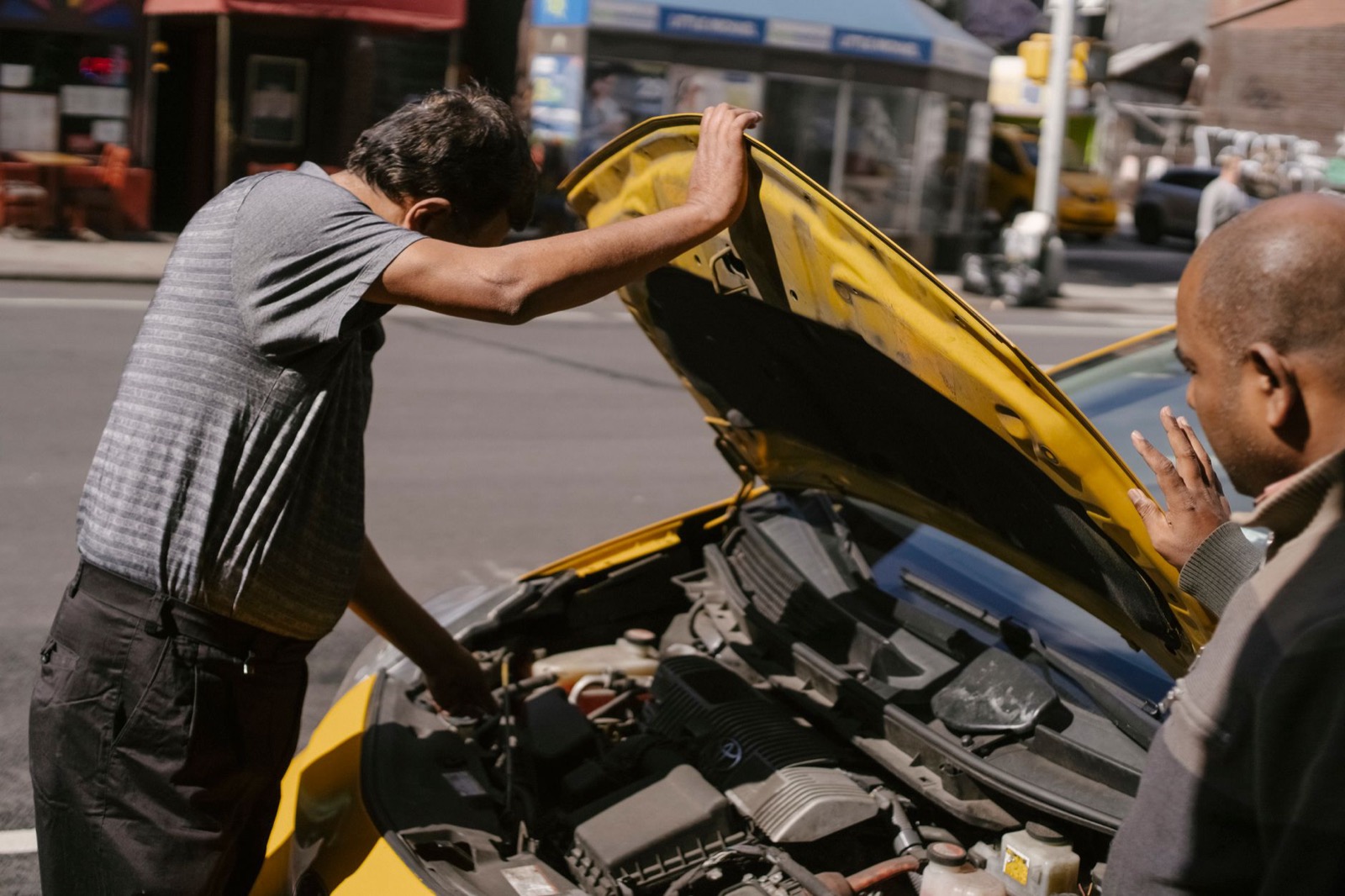
We check the engine for unusual noises, smoke, and rough idling, inspect for oil and coolant leaks, test the transmission and clutch, and examine belts and hoses. We also run an OBD diagnostic scan to read stored fault codes — including ones that were recently cleared.
Suspension, steering and brakes
On a lift, we inspect shocks, bushings, ball joints and CV joints, test steering response and play, and measure brake pad, disc and fluid condition. These are the safety-critical parts that are expensive to fix and easy to hide.
Body, paint and structure
Using a paint depth gauge, we detect filler and repainted panels that point to accident repairs. We check for rust — especially on coastal cars — panel alignment, and signs of structural damage.
Electrical and interior
We test the battery, alternator, lights, sensors, air conditioning and all electronics, plus interior features like windows, locks and infotainment. Water damage and electrical gremlins often show up here.
Mileage and road test
We verify the mileage against the ECU and physical wear (see our odometer fraud guide), then take the car on a full road test — assessing performance, handling, gear changes and braking under real conditions.
The report
Everything is documented in a clear report with photos and a straightforward recommendation — whether the car is worth buying. See the full list of what we do on our services page.
Ready to know exactly what you're buying? Book a 200-point inspection anywhere in Kenya.