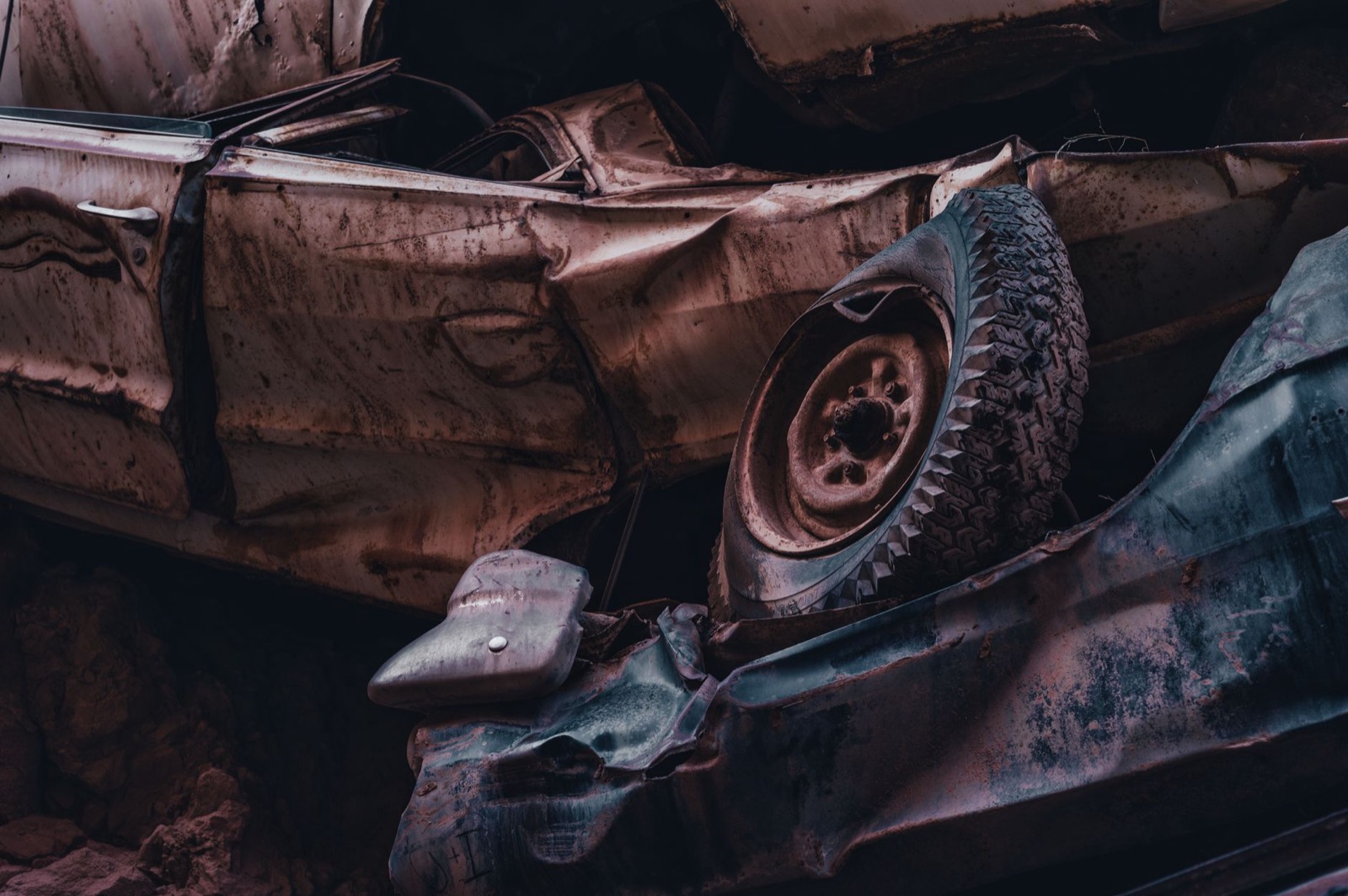
That car priced far below the market can be tempting — but a suspiciously cheap vehicle is often a salvage or write-off: a car an insurer declared uneconomical to repair after a serious crash or flood, then someone fixed up to sell. Sometimes these are honest bargains; often they're dangerous money pits sold without disclosure. Here's what Kenyan buyers need to know.
What is a salvage or write-off car?
A write-off is a vehicle that an insurer decided cost more to repair safely than it was worth. The damage might be from a major collision, a flood, or fire. The car is then sold as salvage, repaired (well or badly), and re-enters the market — sometimes with the history hidden from buyers.
The real risks
1. Compromised safety
The biggest danger. A repaired write-off may have a bent or welded chassis that no longer protects occupants in a crash, or airbags that were deployed and never properly replaced.
2. Hidden, recurring faults
Flood-damaged cars develop electrical gremlins and corrosion for years — see signs of a flood-damaged car. Crash repairs can leave misaligned suspension, leaks and stress cracks.
3. Poor resale and insurance issues
A known write-off is hard to resell and can complicate insurance claims. Your "bargain" may cost you when you sell — the opposite of a car with good resale value.
4. Non-disclosure fraud
Many write-offs are sold without telling the buyer — one of the most damaging used-car scams in Kenya.
How to spot a repaired write-off
- Price far below market for the model, year and mileage.
- Uneven panel gaps, mismatched paint, overspray — signs of major bodywork. Read how to spot accident damage.
- Fresh underbody welds or undercoat hiding structural repair.
- Musty smells, silt in crevices, foggy lights — flood clues.
- Airbag warning lights or a dashboard that's been tampered with.
- Reluctance to allow an independent inspection.
Is it ever worth buying one?
Occasionally. A car with minor, cosmetic-only damage that was properly repaired can be a genuine bargain. But you can only know that with certainty through expert assessment. The key questions are:
- What was the nature and severity of the original damage?
- Was the repair done properly, especially any structural work?
- Is the car safe now?
Answering these needs a trained eye — which is exactly why you should never buy a suspiciously cheap car without an independent pre-purchase inspection. Our engineers assess structural integrity, check for flood and crash repair, and verify airbags and safety systems as part of a full 200-point report. We'll tell you plainly whether a car is a safe, well-repaired bargain — or a write-off you should walk away from.
Cheap can be the most expensive mistake
Before chasing a low price, confirm why it's low. We inspect cars for buyers across the country — see the areas we serve, our services, the FAQ, and about us.
Don't let a "bargain" put your safety at risk. Book an inspection before you buy anything priced too good to be true, or read more guides.