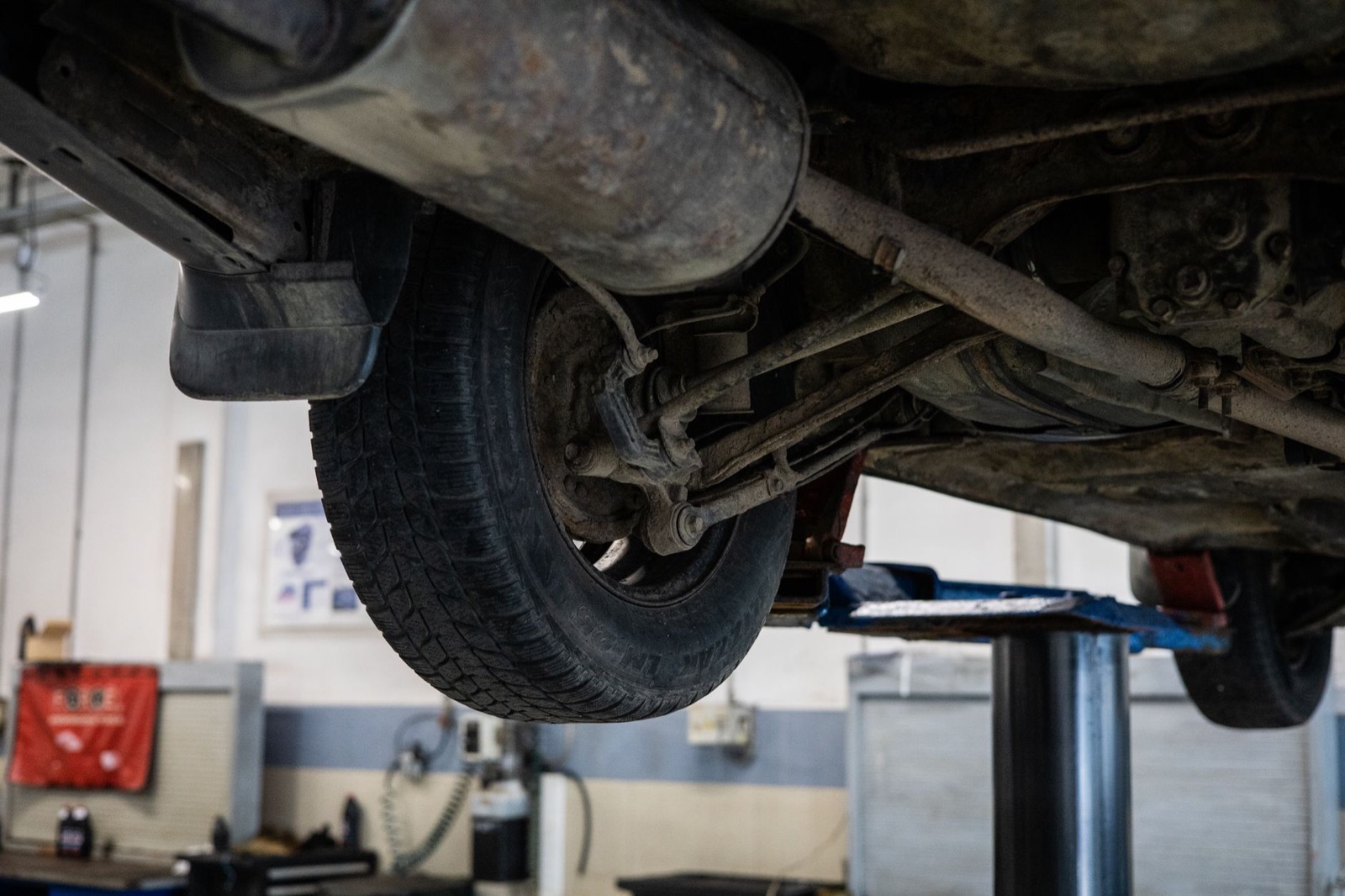
You can repaint a panel, swap a bumper and polish a dashboard — but a bent or repaired chassis is the kind of damage that makes a car unsafe at any price. It's also one of the most commonly hidden faults in Kenya's used market, especially on suspiciously cheap cars. Here's how to spot structural damage before it costs you your money or your safety.
Why chassis damage matters so much
The chassis (or unibody frame on most modern cars) is the car's skeleton. It's engineered to absorb crash forces in a precise way. Once it's bent and straightened — or crudely welded back together — the car may:
- pull to one side or "crab" down the road,
- wear tyres unevenly,
- handle unpredictably in an emergency,
- and fail to protect you properly in another crash.
This is why a structurally damaged car is often written off by insurers. Some of those write-offs quietly reappear on the market, cleaned up to look normal. We cover the specific risks in buying a salvage or write-off car.
Warning signs you can check yourself
1. Uneven panel gaps
Run your eye along the gaps between doors, bonnet and boot. Factory gaps are even and consistent. Wavy or mismatched gaps suggest the shell has been pulled or repaired.
2. Fresh underbody welds and paint
Look under the car (safely) at the chassis rails, sills and suspension mounts. Factory welds are neat and uniform; repair welds are lumpy. Fresh undercoat or overspray in these areas is a red flag.
3. Bolts that have been disturbed
Check the bolts holding the bonnet, wings and suspension. Scratched or repainted bolt heads mean panels have been removed — common after a serious impact.
4. The car drives "crooked"
On a straight, flat road, does the car track straight with hands lightly on the wheel? Does it crab (rear not following the front)? These point to alignment or frame issues. Our test drive checklist explains what to feel for.
5. Uneven tyre wear
Tyres worn heavily on one edge can indicate a bent chassis or damaged suspension geometry that no wheel alignment can fully fix.
The overlap with accident damage
Chassis damage almost always comes from a significant collision. Many of the visual clues overlap with panel and body repairs, so read this alongside our detailed guide on how to spot accident damage on a used car. If a flood was involved instead of a crash, different clues apply — see signs of a flood-damaged car.
Why this is where a professional inspection earns its keep
Here's the hard truth: skilled repairers can hide structural damage well enough to fool a confident buyer. Body filler, fresh paint and new trim cover a lot. Confirming a chassis is genuinely straight often needs a trained eye, a lift, and measurement of key reference points.
That's exactly what our engineers do during a pre-purchase inspection. Chassis and structural integrity is a core part of our 200-point check, and we tell you plainly whether a car is sound or a straightened write-off — before you pay.
Don't gamble on the most important part
A cheap price on a structurally damaged car is not a bargain — it's a liability. We inspect used cars for buyers across the country; see the areas we serve, our full services, or the FAQ. Learn more about us and how we protect buyers.
If a deal looks too cheap, there's often a reason. Book an inspection and let us check the bones of the car, or read more buying guides.