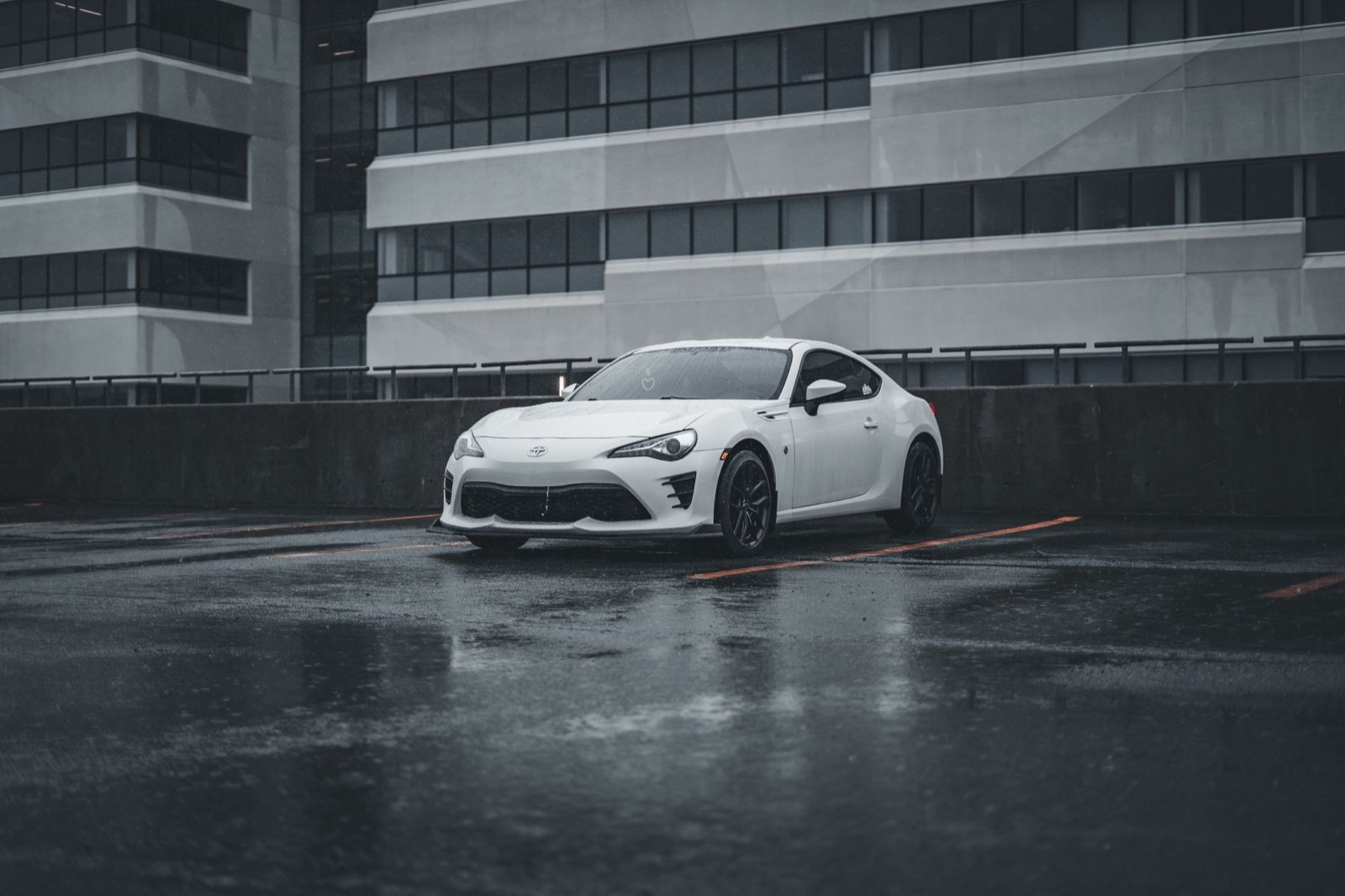
Three badges dominate Kenyan roads: Toyota, Nissan and Subaru. Each has a loyal following and a reputation, but "which is best" depends on how you drive, where you live and what you can afford to maintain. Here's an honest comparison for Kenyan buyers — plus the one step that matters more than the badge you pick.
Toyota: the safe, sensible default
Toyota is the default choice in Kenya for good reasons.
- Reliability: legendary. Well-maintained Toyotas run for hundreds of thousands of kilometres.
- Spare parts: available everywhere, from Nairobi to the smallest town. Cheap and genuine or aftermarket.
- Resale value: the strongest of the three — Toyotas hold their price, which matters when you sell.
- Fuel economy: models like the Axio, Fielder and Passo sip fuel.
The trade-off? Toyotas can feel less exciting to drive, and their popularity makes desirable models pricier. Still, for most buyers, a sound Toyota is the lowest-risk choice — see our list of the most reliable used cars in Kenya.
Nissan: value and comfort, with caveats
Nissan sits between Toyota's reliability and Subaru's performance.
- Value: Nissans like the Note, Tiida and X-Trail often cost less than the Toyota equivalent.
- Comfort: generally roomy and comfortable for daily commuting.
- Watch-out: the CVT gearbox in many Nissans needs careful maintenance and can be expensive to repair if neglected. Read our guide on CVT and automatic gearbox problems before buying one.
A Nissan can be excellent value — if the specific car has been looked after. That's a big "if" in the used market.
Subaru: performance and grip, higher running costs
Subaru has a cult following in Kenya, especially for upcountry travel.
- All-wheel drive: superb grip on wet, muddy and murram roads — ideal if you travel rural routes often.
- Performance: turbocharged models are quick and fun.
- Trade-off: higher fuel consumption, pricier parts, and turbo models demand disciplined maintenance. A neglected Subaru turbo can be a money pit.
If you buy Subaru, buying condition matters even more — always confirm the engine's health and full service history first.
Quick comparison
| Factor | Toyota | Nissan | Subaru |
|---|---|---|---|
| Reliability | Excellent | Good | Good (if maintained) |
| Spare parts | Everywhere | Widely available | Less common |
| Fuel economy | Excellent | Good | Average |
| Resale value | Strongest | Moderate | Moderate |
| Best for | Everyday value | Comfort on a budget | Rough roads, performance |
The badge matters less than the individual car
Here's the truth every honest inspector will tell you: a neglected Toyota is a worse buy than a well-kept Nissan or Subaru. Brand reputation tells you the average — it says nothing about the specific car in front of you, which may have hidden accident damage, a rolled-back odometer or a tired gearbox.
That's why we recommend deciding the brand with guides like this, then confirming the actual condition with an independent pre-purchase inspection. Our engineers check the engine, transmission, chassis and true mileage, and hand you a clear 200-point report so you know exactly what you're buying.
Before you decide
- Take a thorough test drive and note anything odd.
- Ask the seller the right questions.
- Get it inspected — we cover buyers across the country; see our areas we serve.
Whichever badge wins your heart, let condition make the final call. Book an inspection, check our FAQ for how it works, or read more about us. You can also browse all our car guides for more help choosing.