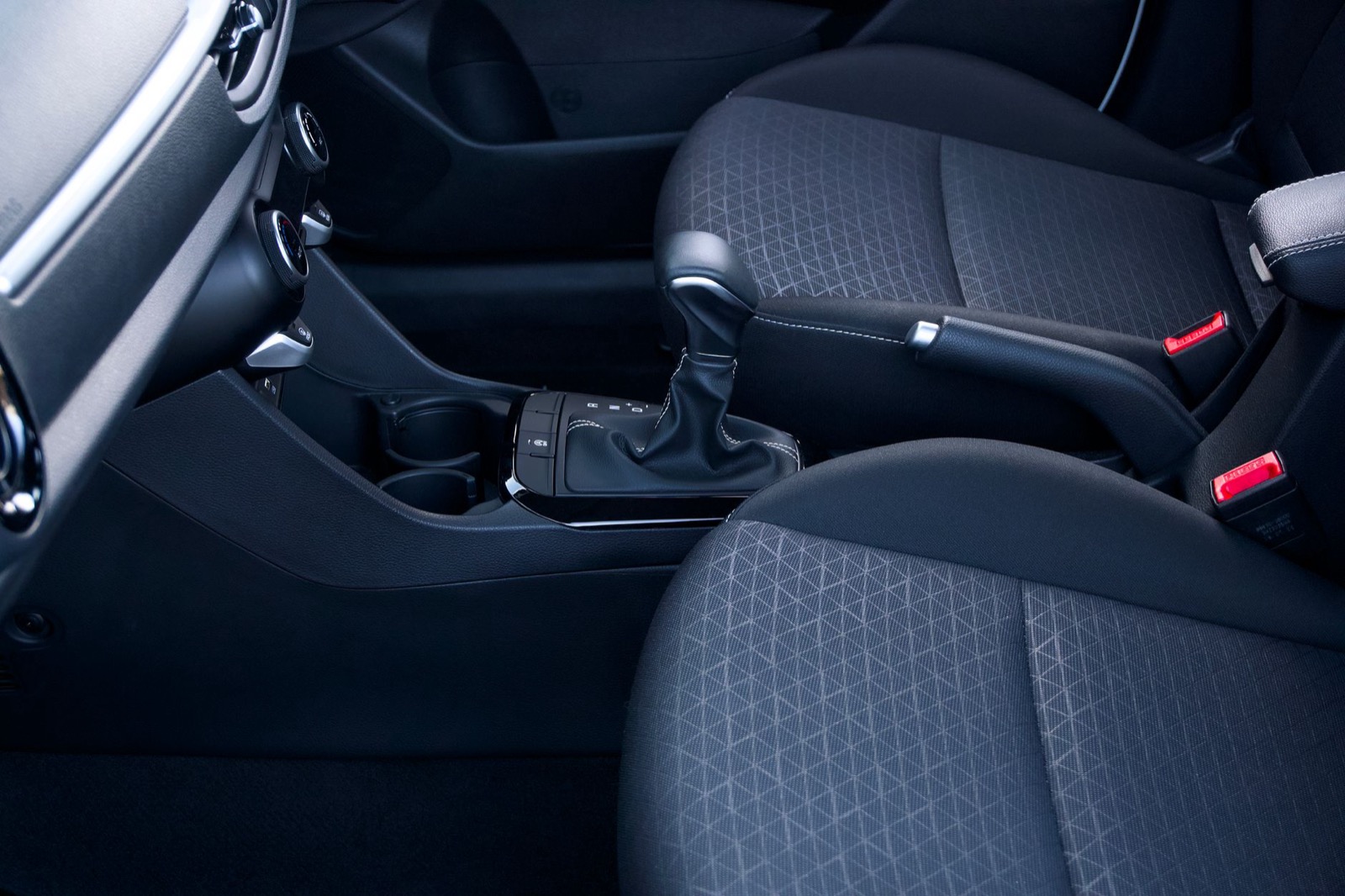
The gearbox is one of the most expensive parts of a car to repair — second only to the engine. Yet many buyers barely test it. Whether you're choosing automatic, manual or a CVT, understanding the trade-offs and the warning signs can save you from a five- or six-figure repair bill. Here's what Kenyan buyers must know about transmissions.
Automatic vs manual: which suits Kenya?
Automatic
- Pros: effortless in Nairobi's stop-start traffic; easier to drive; increasingly the default.
- Cons: more complex and costly to repair; some types are sensitive to neglected servicing.
Manual
- Pros: simpler, cheaper to fix, often more fuel-efficient, and gives more control on rough or steep terrain.
- Cons: tiring in heavy traffic; clutches wear and need replacing.
For most city drivers, a well-maintained automatic wins on comfort. For budget buyers, upcountry drivers and workhorse vehicles, a manual can be cheaper to live with.
The CVT warning: read this before buying
Many modern automatics — especially in Nissan models and some Toyotas — use a CVT (Continuously Variable Transmission). CVTs are smooth and economical, but they're notorious for problems when the special CVT fluid isn't changed on schedule.
Watch for these CVT symptoms:
- Juddering or shuddering when accelerating gently.
- A whining or droning noise that rises with speed.
- Hesitation or slipping — revs climb but the car doesn't accelerate smoothly.
- Overheating warnings on long climbs.
A failed CVT can cost a large fraction of a cheap car's value to replace, so this is a make-or-break check on many Japanese imports — see common problems with used Japanese imports.
How to test any transmission before buying
On the test drive:
- Cold start: test the gearbox before the car is warmed up, when faults show most.
- Automatic/CVT: shifts should be smooth and prompt — no harsh clunks, delays or slipping.
- Manual: the clutch should bite cleanly (not too high), and gears should engage without grinding.
- Under load: accelerate firmly and on a hill; slipping or flaring revs are bad signs.
- Reverse and low gears: test them too — some faults only appear there.
- Fluid check: burnt-smelling or very dark transmission fluid suggests neglect.
Why a professional check matters here
Transmission faults are among the easiest for a seller to temporarily mask — warming the car, clearing codes, or driving gently during your test. But they're among the most expensive to fix. An independent pre-purchase inspection includes a proper transmission assessment and an ECU scan for stored transmission fault codes, as part of a full 200-point check. That turns a nervous guess into a confident decision.
Don't gamble on the gearbox
Pair this with checks on the engine, true mileage and structure for the full picture.
We inspect cars for buyers across the country — see the areas we serve, our services, the FAQ, and about us.
A CVT surprise can cost you dearly. Book an inspection and test the transmission properly, or read more guides.