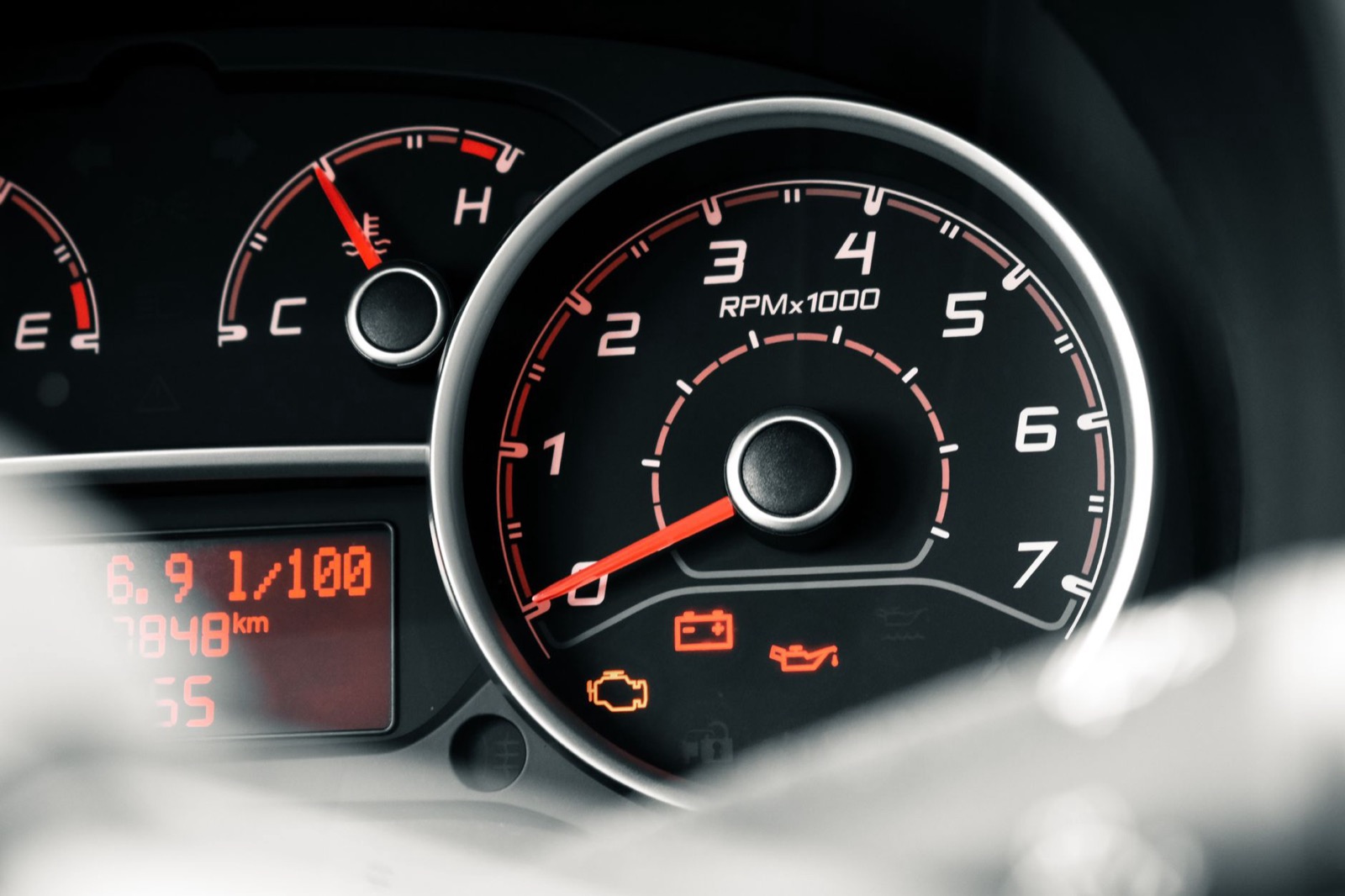
"How many kilometres has it done?" is often the first question Kenyan buyers ask — and it's important. But mileage is also one of the most misunderstood and most manipulated numbers in the used-car market. Here's what actually counts as high mileage in Kenya, and why it matters far less than most buyers think.
The myth: low mileage always means a better car
Buyers instinctively chase the lowest number on the odometer. But mileage alone tells you very little. A car that's covered 200,000 km with disciplined servicing can easily be a better buy than one showing 80,000 km that was neglected, driven hard or barely maintained.
Why? Because engines and components wear based on how a car was used and maintained — not just how far it travelled. Regular oil changes, gentle driving and timely repairs matter more than a low headline figure.
So what counts as "high mileage" in Kenya?
Rough guidelines for petrol cars:
- Under 100,000 km — generally considered low, often commands a premium.
- 100,000–150,000 km — normal, mid-life; plenty of good years left if maintained.
- 150,000–200,000 km — higher, but common in Kenya and fine for reliable models like Toyota with a good history.
- Over 200,000 km — high, but many Kenyan workhorses (think Probox) keep going well past this with care.
Diesel engines often handle even higher mileage — one factor to weigh in our diesel vs petrol guide.
The bigger problem: is the number even real?
Here's the catch that undermines the whole conversation — odometer fraud is rampant. A "low mileage" car may simply have had its odometer rolled back. So before you pay a premium for a low reading, you need to know it's genuine.
Signs the mileage may be faked:
- Worn pedals, shiny steering wheel and sagging seat that don't match a low figure.
- Service records or import papers showing a higher previous reading.
- Wear on the gear knob and door handles beyond the claimed use.
Our full guide, is the mileage genuine? spotting odometer fraud, walks through this in detail. The definitive check is reading the true mileage from the ECU, which a professional inspection can do.
What matters more than mileage
When judging a used car, weigh these above the odometer:
- Service history — see how to check a car's service history.
- Engine and transmission health — see spotting engine problems.
- Structural integrity — no hidden accident or chassis damage.
- Overall condition on a proper test drive.
Let the true condition — not the dashboard — decide
Since mileage can be faked and condition is what really matters, an independent pre-purchase inspection is the reliable way to judge a car. Our engineers verify the genuine mileage and assess real wear as part of a 200-point check, so you pay for the car's actual condition, not a number someone may have edited.
Don't overpay for a number
We inspect cars for buyers across the country — see the areas we serve, our services, the FAQ, and about us.
Mileage is a clue, not the verdict. Book an inspection to learn the truth, or read more guides.